e.l.f. Cosmetics and Skincare
- 4.5
- Rating
- 1.00M
- Installs
- Free
- Price

 Analysis by App-foxy
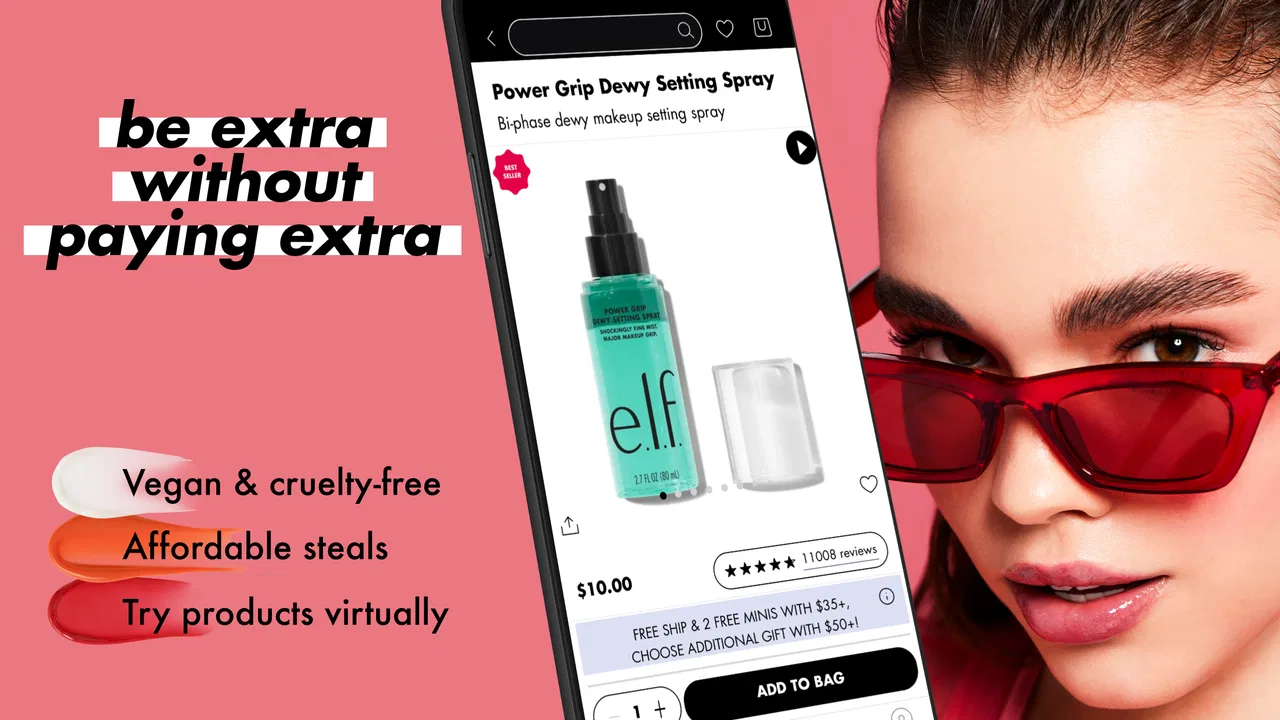
I opened e.l.f. Cosmetics expecting a straightforward shopping app and found something broader: a beauty companion built around products, rewards, playful extras, and a social layer. That mix is useful when I already have an e.l.f. item in mind but also gives me reasons to browse when I am only looking for a quick skincare or makeup idea. The app is free, aimed at Everyone, and comes from e.l.f. Cosmetics, so its strongest point is the direct connection between discovery and the brand’s own product range.
My overall impression is positive, but with an important qualification. This is not a neutral beauty database, a full consultation with a professional, or a replacement for trying a shade in person. It is best understood as a brand-focused route from curiosity to purchase, with rewards and entertainment added along the way. If that matches what you want, the experience feels more engaging than simply opening a mobile browser. If you prefer comparing many competing brands in one place, the narrow focus becomes its main limitation.
From a beauty need to a practical routine
The most realistic way to use the app starts with a small, ordinary problem. Maybe I need a lip product for a workday, want to refresh a basic skincare routine, or remember the name of something I saw in a short video. Instead of searching the entire internet, I can begin inside the e.l.f. catalog and move toward a more specific choice. That makes the app particularly approachable for people who already know the brand or want a simple entry point into makeup and skincare.
You May Also Like

 Blood Strike: 2.5 Anniversary
Blood Strike’s Loadouts Turn Every Drop Into a Tactical Gamble
A close look at Blood Strike’s custom loadouts: how fast access to signature weapons reshapes its battle royale rhythm, rewards preparation, and narrows the gap between fights.

 Pandora - Music & Podcasts
Pandora’s Music Is Easy to Start, but Harder to Recover
Pandora’s strength is its low-effort path from a seed to a station. Its weak spot is how much confidence it asks you to place in connection, setup, and quiet recovery.

 8 Ball Pool
 Is Built on Rivalries, Rematches, and Routine
A close look at the rivalries, rematches, shared routines, and unanswered safety questions that turn a quick pool match into a persistent mobile community.

 Samsung Music
’s Quiet Strength Is Playing What You Already Own
Its reach comes less from spectacle than from dependable access to a personal library. That simplicity is both the app’s strongest retention engine and its ceiling.

 AccuWeather: Weather Radar
AccuWeather Review: A Quick, Clear Forecast for Everyday Decisions
For everyday plans, the best forecast is the one you can understand quickly. AccuWeather makes rain timing, radar, and local conditions easy to act on, with a few trade-offs.

 Hill Climb Racing
Why Hill Climb Racing Still Turns Crashes Into One More Run
A tiny car, a bumpy hill and one more upgrade: Hill Climb Racing keeps resurfacing because its simple chaos makes every near-miss feel personal.
More From Our News Desk



The first useful decision is whether I am browsing for inspiration or trying to reach a particular product. Browsing is where the app’s wider personality matters: the beauty content, games, community elements, and rewards make the session feel less like a transaction. Searching with a clear goal is faster, but it also exposes the limits of a brand-only catalog. I can evaluate e.l.f. options against one another, yet I am not getting a complete market comparison from the same screen.
I found that this distinction changes how much time the app deserves. For a quick restock, I would go directly to the item and check its available information before deciding. For a new routine, I would slow down, read the product details, and use the surrounding content as inspiration rather than treating every suggestion as a personalized prescription. That small change in attitude keeps the experience useful without expecting the app to know more about my skin than I have told it.
Finding a starting point without getting lost
The beauty category can easily become overwhelming because a simple need often turns into a long list of finishes, textures, and product types. The app works best when I define the outcome first. “I want a comfortable everyday lip” is more helpful than opening the catalog with no plan. “I need a gentle-looking routine for mornings” gives me a way to judge what I see instead of collecting products just because they look appealing.
For someone new to e.l.f., I would recommend choosing one area at a time: eyes, lips, face, or skincare. That approach makes the handoff from discovery to decision clearer. It also reduces the chance of building an unnecessarily complicated routine. A beauty app can encourage impulse browsing, so having a small goal before opening it is a surprisingly effective way to keep the experience practical.
The app’s store presence reflects that broad scope. It has reached over a million installs and holds a 4.4 average from around 3.8 thousand ratings, which suggests that many users find the combination of shopping and extras worthwhile. I would not treat those figures as proof that every feature will suit me, but they do indicate that this is an established destination rather than a forgotten companion app.
Moving from discovery to a decision
Once I find something interesting, the important step is slowing down before adding it to a routine. I look for the product’s purpose, consider whether it fits what I already use, and think about how often I would realistically reach for it. This matters especially in skincare, where adding several new products at once makes it difficult to understand what is helping or causing irritation.
The app can make product discovery feel easy, but ease is not the same as personal suitability. I would still check the ingredient information on the product page and, when relevant, compare it with sensitivities or preferences I already know about. If I have reactive skin, I would introduce one new item at a time and patch-test cautiously. The app can support the shopping decision; it cannot replace that personal checking process.
A useful workflow is to separate “interesting” from “ready to buy.” I can use the app to discover an item, then leave the decision until I have considered my existing routine, shade needs, and the reason I want it. This is one of the app’s hidden trade-offs: its entertainment and discovery features make browsing pleasant, but that same ease can blur the line between research and impulse shopping.
Where rewards and playful features fit
The rewards element gives the app a reason to remain installed after a single purchase. I see it as most useful for people who already buy e.l.f. regularly and want their brand activity gathered in one place. The games and community features add a lighter reason to return, especially when I am not ready to shop but still want beauty-related content.
I would not install it solely for rewards unless I already intended to use the brand. A loyalty feature is valuable only when the underlying shopping experience fits my habits. If I rarely buy e.l.f., the extra layer may feel like another account or destination to maintain. For a regular customer, however, the handoff from browsing to rewards can make the app feel more complete than a mobile storefront.
I also appreciate that the entertainment is connected to the beauty context rather than being completely unrelated. It can make a routine shopping task feel less dry, but I would keep expectations realistic. The app is still primarily a brand shopping and engagement tool, not a dedicated game platform or a social network with the depth of a general community app.
The handoff from app to real life
The most important handoff happens when I leave the screen and use the product. A shade that looked appealing in a digital presentation still has to work with my complexion, lighting, and preferred finish. A skincare item still has to fit my existing steps and schedule. I treat the app as the planning stage, then judge the real outcome in daylight and over several uses.
A realistic example would be a rushed weekday morning. I might open the app while planning a small refresh, browse a face product, check whether it suits the kind of finish I prefer, and save the idea mentally for a later purchase. If I decide to buy, I would use the rewards area as part of that process rather than treating it as a separate activity. After the product arrives, I would test it on a normal workday instead of deciding from the first glance alone.
That workflow shows where the app adds value: it keeps discovery, product consideration, and brand engagement close together. It also shows what it cannot do. It cannot show me exactly how a texture feels before use, guarantee that a shade will look identical on my screen and face, or make a routine decision on my behalf.
Who benefits most from this setup
I think the app is a strong fit for an existing e.l.f. customer who wants easier access to the brand’s beauty range and a more engaging way to keep up with purchases. It is also suitable for a beginner who prefers exploring one recognizable brand instead of comparing hundreds of unrelated products at once. The free price removes the obvious barrier to trying it, and the Everyone rating makes it broadly approachable for general beauty browsing.
It can also suit someone who enjoys loyalty programs but dislikes visiting several separate pages for shopping and rewards. Having those activities in one branded environment makes the journey feel more connected. The community and game elements may appeal to users who like a little interaction around their shopping rather than a purely functional catalog.
I would be more cautious if I were shopping for a very specific clinical skincare concern, managing a complicated sensitivity, or looking for professional-level guidance. In those situations, I would want independent ingredient research and advice from a qualified professional where appropriate. The app can help me inspect e.l.f. products, but it should not be my only source for decisions involving persistent or serious skin problems.
It is also not the best choice for someone who wants a single app to compare e.l.f. with many other brands, retailers, and price options. A general beauty retailer or a comparison-focused shopping tool will usually be better for that job. The focused catalog is a strength when I want e.l.f.; it is a weakness when I want the entire market.
Small details that improve the workflow
My first practical tip is to decide whether I am in research mode or purchase mode before opening the app. In research mode, I can explore products and content without treating every appealing item as necessary. In purchase mode, I can move more directly toward the product information and rewards handoff. This simple separation makes the app feel less distracting.
My second tip is to use the app as a routine planner rather than a product collector. If I am considering skincare, I would start with the one step I genuinely need to improve and avoid changing everything together. That makes the eventual result easier to judge and prevents the excitement of discovery from producing an overbuilt routine.
My third tip is to treat community content and games as inspiration, not evidence. They may help me notice a product or think about a look, but I would still evaluate the item using its own details and my personal needs. This is especially important when a trend encourages a purchase that does not solve my original problem.
A fourth useful habit is to complete the handoff deliberately. Before buying, I would check that the item makes sense with what I already own, then record why I chose it. Later, when I use it, I can tell whether the result came from the product, the way I applied it, or a mismatch between expectation and reality. That turns a casual app session into a more reliable beauty experiment.
Where the experience starts to break
The flow becomes less convincing when I expect personalization beyond what a brand catalog can reasonably provide. Seeing products organized around beauty needs is helpful, but it is not the same as receiving a skin assessment. I still have to make the final judgment about ingredients, compatibility, shade, and routine order.
The brand focus can also create a narrow decision frame. If I enter wanting the best possible option across every company, I may need to leave the app and research elsewhere. That extra handoff is not a flaw for loyal e.l.f. shoppers, but it is real friction for someone who compares products carefully before spending.
The combination of shopping, rewards, games, and community features may not appeal to everyone. Some users will see it as useful variety; others will prefer a clean, fast store with no additional distractions. If I only want to reorder one familiar product, the broader experience can feel like more than I need.
There is also a practical difference between digital confidence and physical confidence. Product pages and beauty content can help me narrow a choice, but they cannot fully reproduce texture, scent, wear, or the way a color changes under different lighting. I would be particularly careful with complexion products and would avoid making a large routine change based on app browsing alone.
Performance expectations and long-term value
The current version is listed as 2024.AW-1.3.9 and supports devices running Android 8.0 or later. That makes the compatibility requirement clear for Android users, although the day-to-day experience will still depend on the phone and operating system being used. I would check the app’s current store page before installing on an older device, especially if I rely on rewards or account access during shopping.
What keeps me interested is not one isolated feature but the complete path: I can start with a beauty need, explore e.l.f. products, engage with content, connect the activity to rewards, and then take the decision into real life. That is a more memorable workflow than opening a basic catalog. The value is strongest when I already have a reason to return.
What would make me uninstall it is a mismatch between that broad experience and my actual habits. If I do not buy from e.l.f., do not care about brand-centered content, and prefer independent comparisons, the app adds little beyond what a browser search can provide. In that case, a general retailer or a dedicated beauty information source would fit better.
My recommendation after using the full journey
I recommend the app to e.l.f. shoppers who want more than a product list. The rewards, games, and community elements give the brand a livelier presence, while the catalog provides a direct route from a beauty question to a possible purchase. The free installation makes it easy to test without committing money to the app itself.
I would recommend it with more reservations to beginners who expect personalized skincare advice or to careful comparison shoppers who need many brands side by side. For them, this is best used as one source in a wider process, not as the final authority. The most responsible approach is to use the app for discovery and organization, then verify personal suitability through product details and real-world testing.
My final view is that e.l.f. Cosmetics succeeds when its different parts support one another. I can begin with a small need, explore without feeling rushed, connect a purchase to rewards, and return for inspiration later. The experience breaks when I ask it to be a neutral marketplace, a professional consultation, or a substitute for seeing and feeling products in person. For loyal e.l.f. customers, the app is a convenient beauty hub; for everyone else, it is worth trying only if the brand-focused workflow matches the way you shop.
FAQs for e.l.f. Cosmetics and Skincare
01What features does the e.l.f. Cosmetics and Skincare app offer?
The e.l.f. Cosmetics and Skincare app provides users with a wide array of features including virtual try-on tools, personalized beauty recommendations, and exclusive access to new product launches. Users can also browse and shop the full range of e.l.f. products, receive tailored skincare advice, and enjoy special app-only discounts.
02Is the e.l.f. app free to download and use?
Yes, the e.l.f. Cosmetics and Skincare app is free to download on both Android and iOS platforms. While the app itself does not charge any fees, users can make in-app purchases when they decide to buy products directly through the app’s shopping feature.
03How accurate is the virtual try-on feature in the e.l.f. app?
The virtual try-on feature in the e.l.f. app uses advanced augmented reality technology to provide an accurate representation of how products will look on your skin. While it offers a close approximation, results may vary based on lighting and camera quality, so users should consider this when making purchasing decisions.
04Does the e.l.f. app offer customer support?
Yes, the e.l.f. app includes customer support features. Users can access FAQs, chat with support representatives, or contact the customer service team via email directly from the app. This makes it easy to resolve any issues or questions related to products or orders.
05Are there any special offers available through the e.l.f. app?
The e.l.f. app frequently offers exclusive discounts, early access to sales, and special promotions for app users. By enabling notifications, users can stay updated on the latest offers and maximize their savings. Additionally, app users might get early access to new product launches and limited-edition items.
Pros
- User-friendly interface for easy navigation.
- Wide range of affordable quality products.
- Regular updates with new features.
- Detailed product descriptions and reviews.
- Secure payment options for hassle-free shopping.
Cons
- Limited international shipping options.
- Occasional app crashes reported by users.
- Some features require a stable internet connection.
- Limited customization in user profiles.
- Notifications can be overwhelming at times.

e.l.f. Cosmetics and Skincare
Gallery